
 Business License

Bone Charcoal and Bone Ash: Two Grades Explained for Ceramic Buyers
Two buyers order the same material in the same week. One asks for bone charcoal, the other for bone ash. Both receive a white powder in a lined bag, both pay a similar price per tonne, and one of them spends the next quarter chasing pinholes in a glost firing.
The confusion is built into the trade vocabulary. Bone charcoal and bone ash come from the same raw material and pass through the same kind of kiln, and the difference between them is how far that kiln was allowed to go. That difference changes burning loss, colour, carbon content and suitability, and it is not always visible in a photograph or a short description.
This article explains the bone charcoal grade difference in the terms a ceramic buyer needs: what each material actually is, how the difference shows up on a certificate, why colour varies between batches, which material belongs in a ceramic body, and what to ask before accepting a delivery of either.
1. Why the Bone Charcoal Grade Difference Matters at Purchase
The bone charcoal grade difference is a difference in degree of calcination, and everything else follows from it.
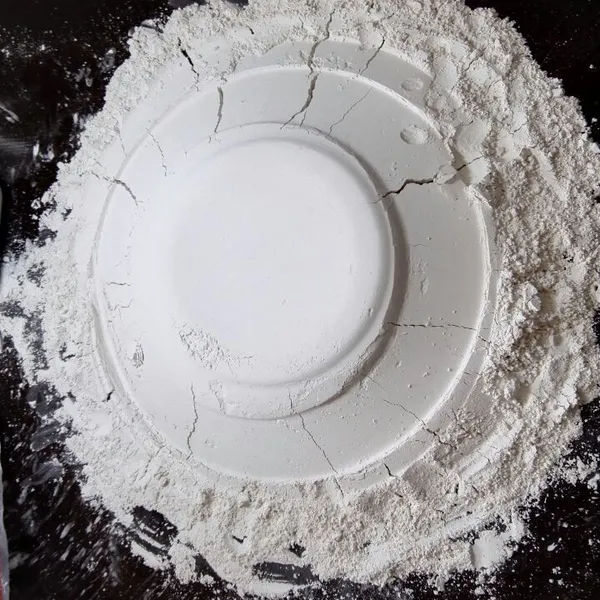
Bone heated to a moderate temperature loses its organic fraction partly. The mineral structure remains, and so does a fraction of carbon, which gives the material a grey to black colour and a high internal surface area. Push the temperature further and hold it longer, and the carbon goes, leaving a white mineral powder that is almost entirely calcium phosphate.
The first material is valuable in sugar refining and water filtration, where that carbon surface adsorbs colour and impurities. The second is what a bone china body needs, because a body wants calcium phosphate in the glass phase, not carbon that will burn out of it during firing.
That is why a purchase specification written around the word charcoal can deliver material that is perfectly good for one industry and unsuitable for another, with no defect on either side.
2. What Calcination Does to Bone: Ash, Charcoal and the Middle Ground
Raw bone is roughly two thirds mineral and one third organic matter, with the proportions varying by species and by the part of the skeleton.
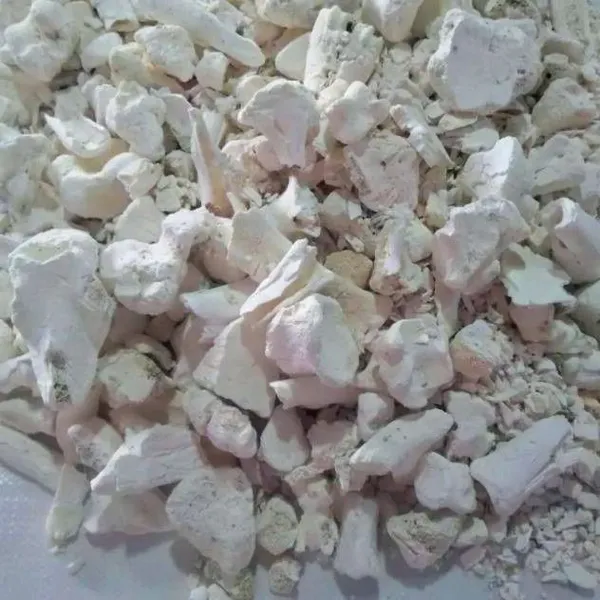
Defatting and cooking remove fat and soft tissue. What remains is a framework of collagen and mineral that has to be broken down by heat. Below the range where carbon oxidises, the organic fraction chars rather than burns, and the result is a black granular material.
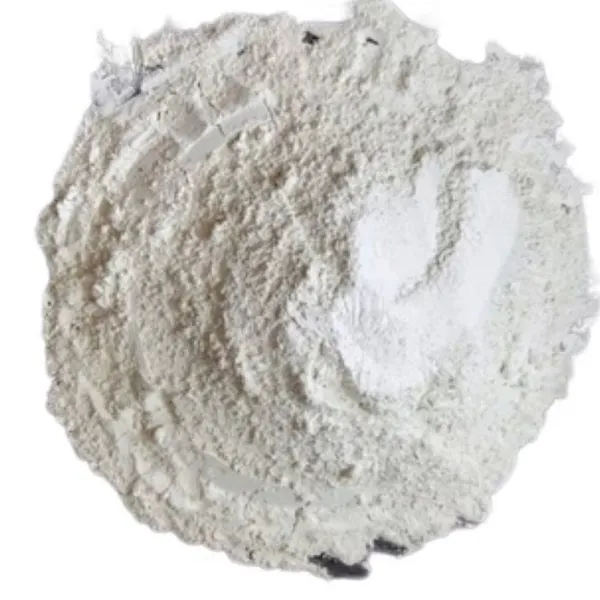
In the range where the carbon oxidises fully, the product is white and its burning loss falls to around 1.0 percent or below. Between those two states sits a range of partially calcined material that is neither one thing nor the other, and that is where most purchase disputes begin.
Partially calcined material looks acceptable in a bag. It is the burning loss test, not the eye, that separates it from a fully converted charge, and that test is the first thing to request when bone charcoal for ceramic bodies is on order.
3. Reading the Bone Charcoal Grade Difference on a Certificate
Three figures on a certificate do most of the work of telling a buyer which material they have been offered.
| Figure | Fully calcined ash | Partially calcined material |
|---|---|---|
| Burning loss | At or below 1.0 percent | Well above 1.0 percent |
| Colour | White to off-white | Grey, brown or black |
| Calcium, as Ca | Typically 35 percent and above | Lower, diluted by carbon |
| Phosphorus, as P | Typically 16 percent and above | Lower for the same reason |
| Behaviour in a body | Enters the glass phase | Burns out, leaving voids |
Calcium and phosphorus read low on a partially calcined material because carbon occupies mass that the certificate assumes is mineral. A buyer who checks the mesh and the colour and stops there will miss that entirely.
The iron figure matters in both cases and is usually capped at 0.05 percent. Iron does not separate the two grades, but it does decide whether a fully calcined material will stain a white body.
A certificate that reports burning loss without stating the test method is weak evidence, since the figure depends on the temperature and time used. Asking for the method costs one email.
4. Bone Charcoal Colour Variation: What Causes It
Bone charcoal colour variation between deliveries of the same grade is normal, and the causes are worth separating because some of them matter and some do not. Feilong Bone Carbon tracks colour against a retained master for this reason, so that a shift is measured against material from the same line rather than against a printed standard.
The first cause is residual carbon, which darkens material and is a genuine warning sign if the burning loss figure confirms it. The second is iron, which warms the colour slightly at levels that remain within specification. The third is crystal size, which changes how light scatters and makes a hotter charge read brighter without any change in chemistry.
The fourth is particle size. A finer grind of the same powder measures lighter, so a supplier who moves from 325 to 400 mesh can appear to have improved the colour when nothing in the kiln changed.
For a ceramic buyer, the practical consequence is that bone charcoal colour variation should be read alongside burning loss and mesh rather than on its own. A cream delivery with a burning loss of 0.6 percent is a different event from a grey delivery with a burning loss of 3 percent, and treating them the same wastes either material or a firing.
5. Bone Charcoal for Ceramic Bodies: Which Grade Fits Which Body
Bone charcoal for ceramic bodies means fully calcined material in practice, whatever the invoice calls it. A buyer ordering bone charcoal for ceramic bodies should confirm that phrase in writing, because the same two words describe a filtration grade in another industry.
A bone china body at 40 to 50 percent ash needs calcium phosphate that will react with the flux and enter the glass, producing translucency and a warm white. Carbon has no role in that reaction, and any that remains will burn out during firing and leave the voids that show up as pinholes or as a dull patch under a clear glaze.
Stoneware and artware bodies use lower percentages, often 5 to 20 percent, where the ash acts as a flux and as a source of texture rather than as the main body former. Here a slightly less white material is tolerable, though the burning loss limit does not relax, because carbon burns out in any body.
Glazes and engobes are a third case. Ash in a glaze contributes opacity and a soft surface, and the mesh matters more than the colour, since a coarse particle in a thin glaze layer shows as a speck.
6. Where the Bone Charcoal Grade Difference Costs Money
The cost of getting the grade wrong rarely appears on the invoice.
It appears as a reject rate on glost firing, as extra dressing time in a foundry that received a carbon-bearing powder for release work, or as a reformulation that had to be run twice because the first trial used the wrong material. It also appears as a week of production lost while a replacement of the right bone charcoal for ceramic bodies crosses an ocean.
It also appears as freight. Material that has to be returned or replaced across an ocean costs several times its own value to correct, and the correction usually happens after the production schedule has already been committed.
A purchasing team that checks burning loss on arrival catches most of this before the material reaches a mixing floor. The test is quick, needs a furnace and a balance, and can be run on a sample from the middle of a pallet rather than from the top of a bag.
7. Bone Charcoal Colour Variation in a Body: Fired Effects
What a buyer sees on a powder is not what a customer sees on a shelf, and the gap between them depends on the body.
In a thin, translucent bone china section under a clear glaze, the body colour reads through and a warm cast in the powder can shift the fired shade visibly. In a thicker section, or under an opaque or coloured glaze, the same shift disappears.
Firing atmosphere intervenes as well. A reduction firing can cool the apparent colour of a body that fires warm in oxidation, which is why two plants running the same material can disagree about whether a delivery was acceptable.
The practical approach is to judge colour on a fired piece from the actual body rather than on the powder, and to do that once when a new batch arrives rather than at the end of a production run.
8. Ordering Bone Charcoal for Ceramic Bodies Alongside Ash
Some plants buy both materials, one for bodies and one for release work, and the two specifications should not be merged into a single line on a purchase order. The same supplier may quote bone charcoal for ceramic bodies and a release grade on one sheet, which is convenient and slightly dangerous.
Release grades are judged on film behaviour at the mould face, where a finer grind and a consistent low burning loss matter more than translucency. Body grades are judged on how they dissolve into the glass and on the fired colour they produce.
Keeping them as separate line items, with separate batch numbers and separate retained samples, prevents a storekeeper from issuing the wrong bag to the wrong department. It also keeps the certificates meaningful, because a certificate that covers two materials covers neither.
Feilong Bone Carbon supplies both directions from one calcination operation, and the company quotes the two as distinct specifications rather than as one grade with an option, which is the arrangement a plant with both departments needs.
9. Questions That Settle the Bone Charcoal Grade Difference
Four questions resolve the ambiguity faster than any amount of correspondence about names.
The first is what the burning loss figure is, per lot rather than per year. The second is whether the material is fully calcined, asked in those words rather than as a request for a grade name.
The third is which industry the supplier normally ships this grade to, since a supplier whose main market is sugar refining will describe the material in terms that make sense there. The fourth is what the supplier recommends for a bone china body at a stated percentage, which reveals whether the grade was chosen for ceramics or for something else.
A buyer who asks those four questions will not be misled by a label. Feilong answers them from the batch file, because the answers are recorded at the kiln rather than reconstructed afterwards, and Luo He Feilong Bone Carbon Co Ltd has shipped the same two specifications long enough to know which question a new ceramic customer usually asks first.
10. Frequently Asked Questions
10.1 Is bone charcoal the same as bone ash?
Not exactly, although the trade uses the names loosely. Bone charcoal usually refers to material calcined at a moderate temperature that still contains carbon, which suits sugar refining and filtration. Bone ash refers to fully calcined material that is almost entirely calcium phosphate, which is what ceramic bodies need. The reliable separator is burning loss, since a figure at or below 1.0 percent indicates full conversion whatever the invoice calls the product, and asking for that figure per lot settles the naming question in one email.
10.2 Does colour variation mean the batch is defective?
Not by itself. Bone charcoal colour variation moves with residual carbon, iron level, crystal size and grind, and the first of those is the defect signal to watch. A cream cast with a burning loss within the limit is usually a fully calcined material with slightly different iron or crystal size, and it will fire close to the previous batch. A grey or brown cast with a burning loss well above the limit is a different matter, and that material belongs back with the supplier.
10.3 Can partially calcined material be used in a bone china body?
It will cause problems, because the carbon that remains burns out during firing and leaves voids behind. Those voids show as pinholes in a glazed surface, as a dull patch where the glaze has nothing solid to sit on, or as a lower fired strength than the formulation predicts. A small fraction might be absorbed without visible effect, but relying on that is not a specification. Ask for full conversion and verify it with burning loss rather than with appearance.
10.4 Which mesh should a ceramic buyer order?
Most bodies run on 325 mesh, which gives a slightly wider particle band and a more forgiving maturing window than the finer cut does. A 400 mesh grade suits thin sections, glazes and work where surface smoothness matters, because it reacts earlier and leaves fewer visible specks. The choice should follow the body and the firing cycle rather than habit, and a plant that changes grind and ash percentage in the same trial will not be able to attribute the result to either.
Recently Posted
-
Why Molten Copper Sticks: The Case for a Bone Ash Demoulding Layer
November 24, 2026A casting that sticks to its mould rarely fails loudly. It arrives with a torn face, or with a patch of copper welded to the mould that has to be chipped off before the next pour, and the loss shows up as dressing hours rather than as a scrap line on a report. Foundries tend to answer that problem with more coating. That answer misses the mechanism, because the bond forms underneath the coating in the seconds before the filmRead More -
From Sintered Bone to Milled Powder: How Bone Ash Powder Is Made
November 22, 2026A bag of bone ash powder behaves in a way that was decided months before it was opened. Two plants can buy sintered bone from the same source, mill it to the same nominal mesh, and end up with powders that pack differently, wet out differently and release differently on a mould face. The variable is not the chemistry. Calcium and phosphorus stay roughly where the kiln put them, at or above 35 percent and 16 percent respectiveRead More -
Inside the Calcination Kiln: How Temperature Shapes Calcined Bone Ash Quality
November 21, 2026Two bags of bone ash can carry the same certificate and behave as different materials, and the difference frequently comes from a kiln curve rather than from chemistry. Calcination is a thermal process with three knobs: how hot, how long, and how evenly. Get all three right and the product is a white powder with a burning loss under 1.0 percent and a crystal structure that grinds into predictable particles. Get one wrong andRead More -
Quality Systems at Feilong: ISO-Certified Bone Ash Production from Raw Bone to Finished Powder
September 4, 2026A foundry buyer in Eastern Europe once told a Feilong sales engineer that he had received bone ash from three different Chinese su Read More

Contact Us
Recommended Products
-
 Manufacturer Sell Low Price Calcined Bone Ash or PowderUS$ 850MOQ: 5 Tons
-
Manufacturer Sell Low Price Calcined Bone Ash or PowderUS$ 850MOQ: 5 Tons
-
Manufacturer Sell Low Price Calcined Bone Ash or PowderUS$ 850MOQ: 5 Tons
-
Sell Well Bone Ash for Mold Releasing UseUS$ 880 - 920MOQ: 5 Tons
-
Feilong Direct Sales Die-casting Water-soluble Mold Metal Release AgentUS$ 920MOQ: 5 Tons
-
Natural Animal Bone AshUS$ 880 - 920MOQ: 5 Tons
-
China Manufacturer Supply Eco-Friendly Bone Ash PowderUS$ 890MOQ: 1 Ton
-
Calcined Bone Ash for Bone China With GoodPriceUS$ 880 - 920MOQ: 5 Tons
-
Synthetic Bone Ash for Ceramic With Good PriceUS$ 850MOQ: 5 Tons
-
Calcium and Phosphorus Powder - 325 MeshPowderUS$ 920MOQ: 5 Tons
-
Calcium and Phosphorus Powder - 325 MeshPowderUS$ 850MOQ: 5 Tons
-
Calcium Stearate PVC PE Lubricant Mould-releasing Powder ManufacturerUS$ 850MOQ: 5 Tons
-
Reputed Supplier Selling Bone Ash Powder Which Meet With Environmental Standard As Animal FeedstuffUS$ 850MOQ: 5 Tons
-
Industrial Grade Bone Ash for Bone Ceramics and MetallurgyUS$ 900MOQ: 10 Tons
-
Animal Ashes Used for Bone ChinaUS$ 900MOQ: 5 Tons
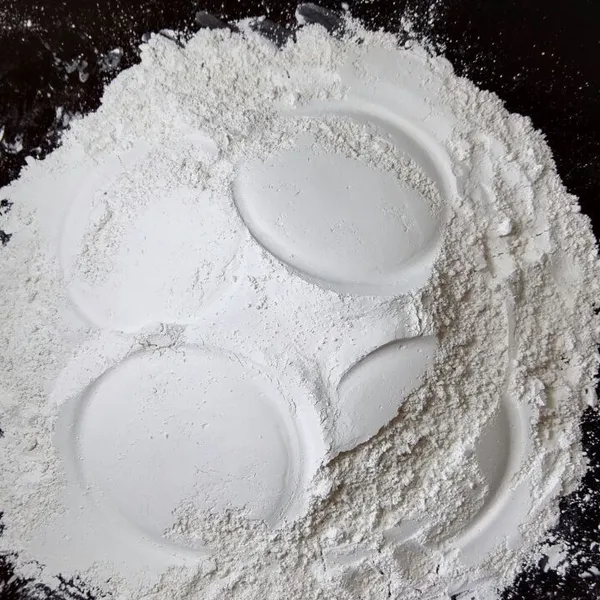
-
Calcium and Phosphorus Powder - 325 MeshPowderUS$ 850MOQ: 5 Tons
-
High Quality Bone Ash for Mold Releasing Use/bone Ash PowderUS$ 850 - 880MOQ: 5 Tons
-
Manufacturer Sell Low Price Calcined Bone Ash or PowderUS$ 850MOQ: 5 Tons
-
Calcined Bone Ash for Bone China With GoodPriceUS$ 880MOQ: 5 Tons
-
High Quality Bone Ash for Mold Releasing Use/bone Ash PowderUS$ 880 - 920MOQ: 5 Tons